Mental Health Initiative

The MPA Mental Health Initiative is a new pilot program offering free and discounted therapy and resilience coaching for young performers.
Pilot scope:
Population served: Children and young adults up to age 24, reflecting performers who are aging out of being a minor in the industry but still carrying its effects
Services: Free or discounted therapy sessions and resilience coaching, delivered by vetted, licensed mental health professionals
Access point: MPA Members and minors actively working in or pursuing a career in the entertainment industry, identifying need and referring into clinical care
Target reach: 25 young performers and families served in the pilot's first 12 months
Being a young performer comes with pressures most kids never face. Constant public scrutiny, a regimented schedule built around call times and set hours instead of school and play, and the loss of an ordinary childhood take a real toll. Add the adult themes many young performers are asked to portray, and the high-pressure nature of auditions — where rejection is frequent and constant — and it's no surprise that many young performers carry depression and anxiety with them long after they age out of the industry.
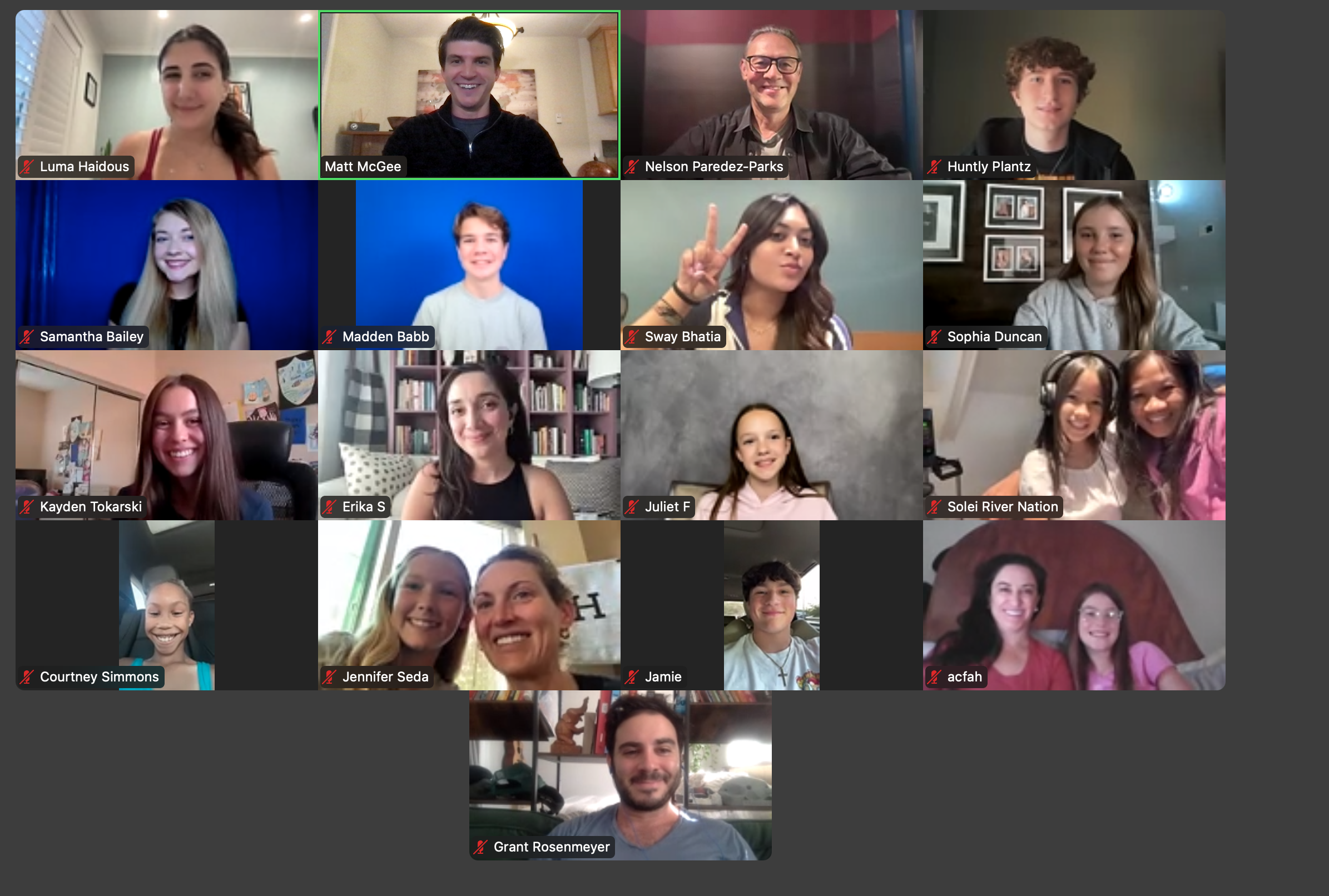
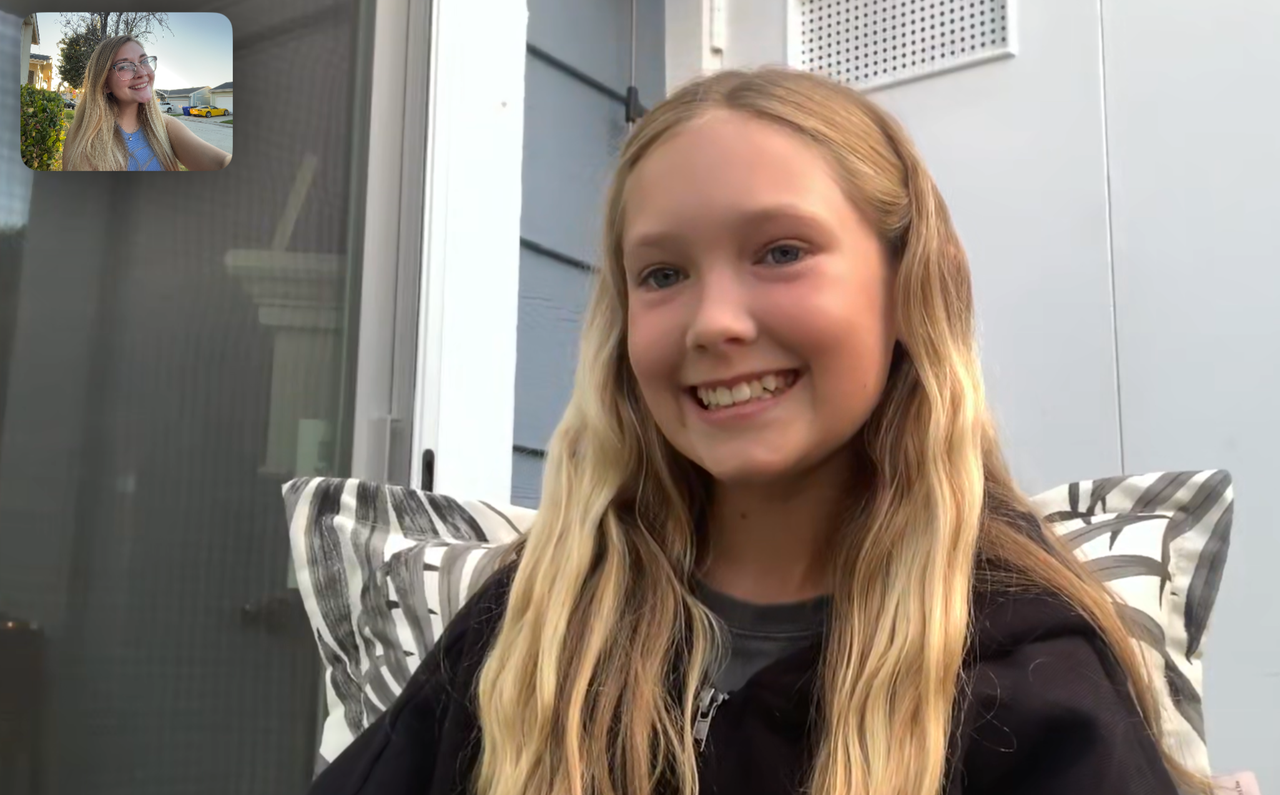
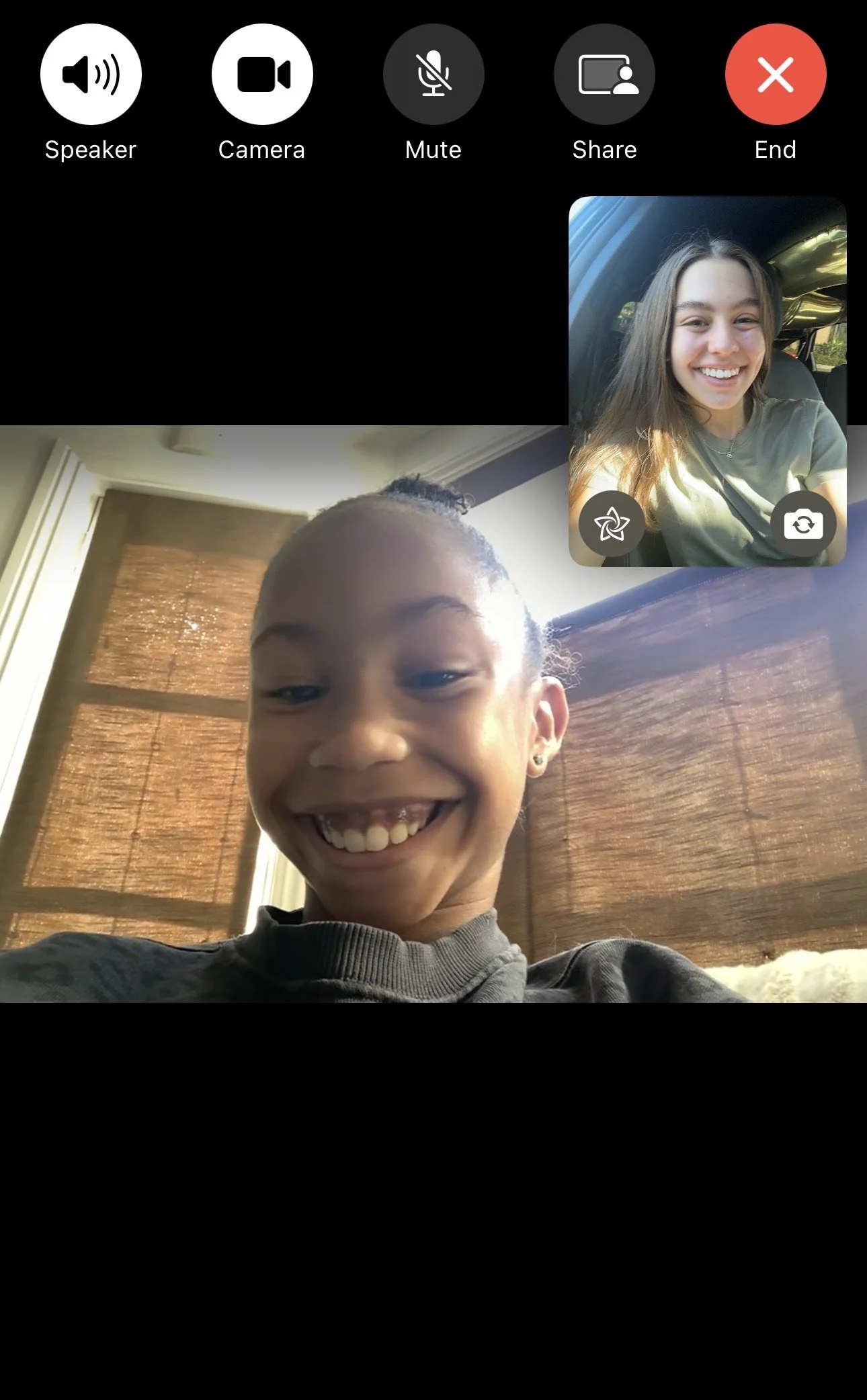
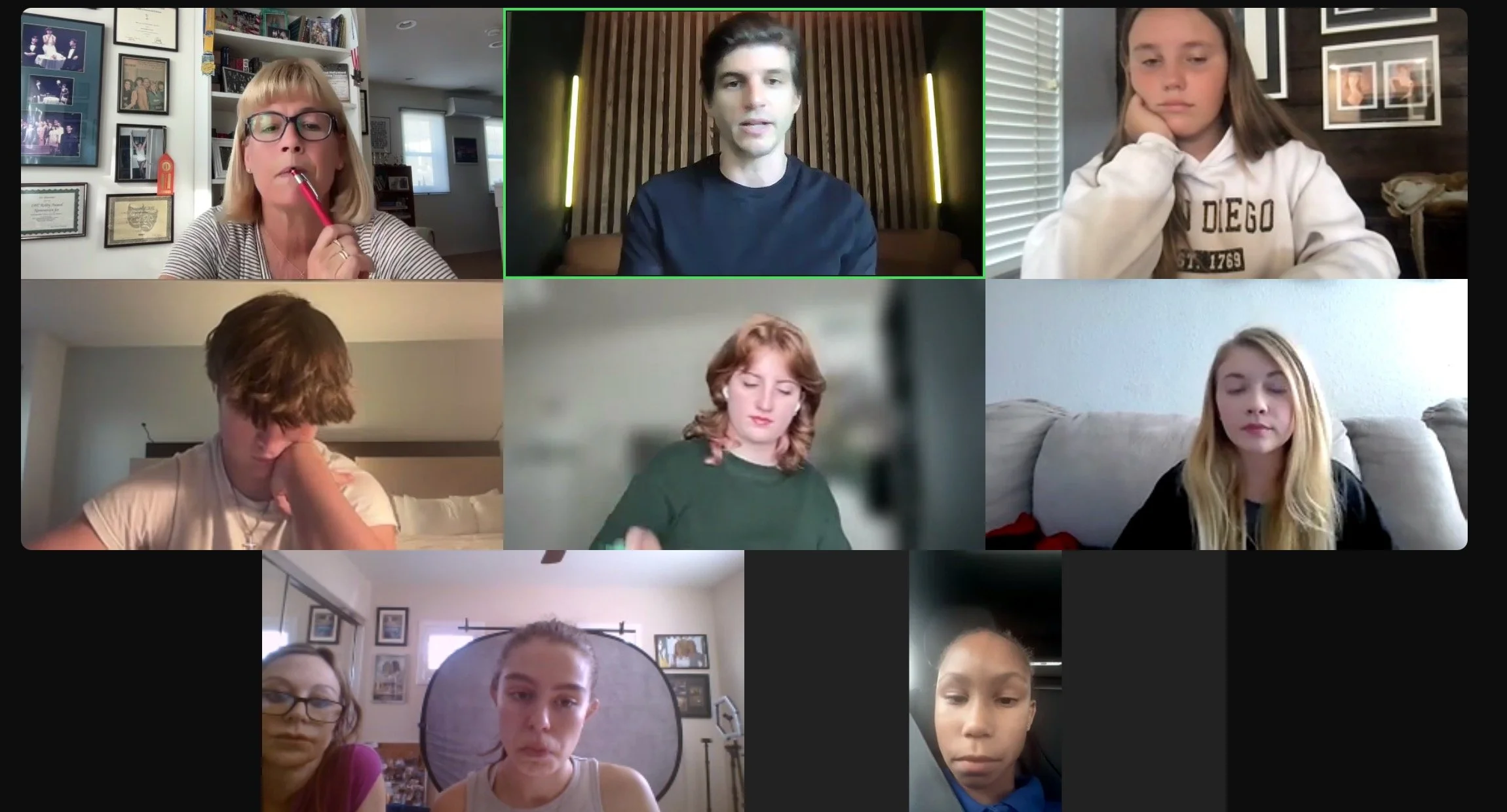
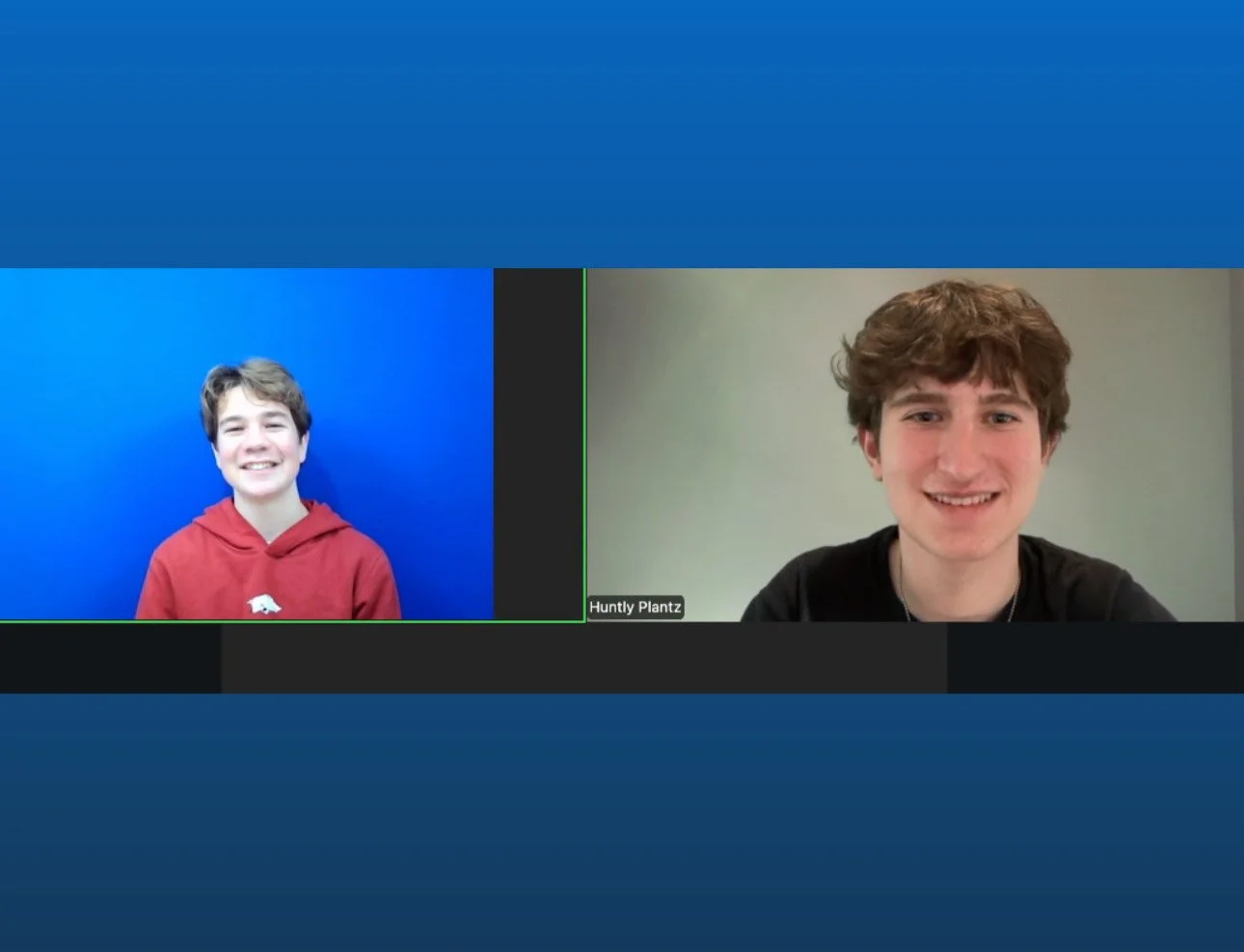
MPA already sees this play out, and sees what helps. Our Youth Mentorship Program pairs minor performers with mentors who have worked as minors themselves, and the results speak for themselves. One mentee used the affirmations, breathing exercises, and grounding techniques she learned from her mentor to steady herself before an audition for a dream role — walking in calmer and more confident. Her parent noted the shift didn't stop there: she carried that same mindset into school, drawing on it to navigate a difficult situation with friends.
That's proof that peer support works. The Mental Health Initiative builds the next layer on top of it.
The Mental Health Initiative is a new pilot program that will provide free or discounted therapy and resilience coaching through vetted mental health professionals to children and young adults up to age 24 — covering performers for as long as they remain in the industry, and through the transition out of it. Peer mentorship remains the nonclinical front door: performers and families can start with a mentor who understands the industry firsthand, then be connected into licensed clinical support when they need more.